
Understanding Private Water: A Book Series for Wells and Septic Systems Owners
Wells and septic systems are “out of sight, out of mind” for many homeowners and officials. Yet, these private water management systems are a core part of critical infrastructure that directly impacts both public health and property value. To help demystify these systems, The Groundwater Project offers a book series containing essential insights. To find out why these books are vital resources for anyone relying on private water, read further about the key titles in this series.

Best Practices for Owners of Domestic Wells in Alluvial Aquifers
Author: Kristine Uhlman
The Well Owner’s Responsibility: A Guide to Managing Water in Alluvial Aquifers
If you source your water from a private well, you are the primary steward of your family’s water safety. While the water flowing from your tap may seem inexhaustible, maintaining that quality requires an active, informed approach—especially for those drawing from alluvial aquifers.
In her authoritative work, Best Practices for Owners of Domestic Wells in Alluvial Aquifers, hydrologist Kristine Uhlman outlines the essential knowledge every well owner needs to protect their water supply for the long term.
Why You Are the First Line of Defense
The most important message for any well owner is clear: You are responsible for ensuring your water is safe to drink. Unlike municipal systems, there is no utility company performing daily testing or maintenance on your behalf. Understanding the science behind your well is the only way to proactively safeguard your health and property value.
Core Focus Areas for Well Owners
Uhlman’s guide breaks down the complex world of hydrogeology into four actionable pillars:
· Geological foundations: Gain a clear understanding of how aquifers function. Knowing the “why” and “where” of your water source helps you better identify potential vulnerabilities in your system.
· Maintenance & sustainability: Learn proven strategies for long-term well health. Routine maintenance isn’t just about repairs; it’s about ensuring the sustainability of your water quantity and quality for years to come.
· Comprehensive water quality: Discover the standard testing methods and various treatment options available today. This section demystifies the process of analyzing your water, so you know exactly what is—and what isn’t—in your glass.
· Troubleshooting: Every well owner should have a reference tool. The book includes a highly practical table that links water problems to their symptoms, the necessary analytical tests, and the most likely sources of contamination.
Take Charge of Your Water Supply
Managing a private well doesn’t have to be a guessing game. By moving from a reactive “wait for a problem” mindset to a proactive, educational approach, you can ensure your home’s water system remains a reliable and safe asset.

Domestic Wells: Introduction and Overview
Author: John Drage
Domestic Wells: A Technical Overview of Rural Water Supply
For students, policy makers, and groundwater professionals, understanding the infrastructure behind rural water is essential. Reliable access to clean water isn’t just about the tap; it’s about the complex engineering and geological science that makes private well systems possible.
In his informative guide, Domestic Wells: Introduction and Overview, hydrogeologist John Drage from the Nova Scotia Geological Survey provides a comprehensive look at the mechanics, safety, and modern monitoring of these critical systems.
Understanding Well Infrastructure
A well is more than just a pipe in the ground. It is a sophisticated point of access to our most precious resource: groundwater. To manage these systems effectively, one must understand how they are built and how they interact with the surrounding geology.
Core Focus Areas
Drage’s work distills complex hydrogeology into three vital areas:
· Well design and construction: Get a detailed look at how different types of wells are engineered. Understanding the “how” of well construction is the first step toward effective maintenance and troubleshooting.
· Necessity of safety monitoring: Consistent monitoring is the only way to guarantee a safe drinking water supply. This section emphasizes the protocols required to ensure that your water remains free from contamination throughout the life of the well.
· Technological integration: The future of groundwater management is here. Drage explores how modern solutions—including Internet-of-Things (IoT) monitoring networks—allow for real-time tracking of groundwater levels. This technology provides proactive warnings, helping prevent shortages and identifying issues before they become critical.
Why Technical Literacy Matters
Whether you are developing land, studying environmental science, or setting local policy, having a firm grasp of well functionality is crucial. By integrating modern monitoring technology with time-tested construction standards, you can ensure that rural water supplies remain resilient in the face of climate and environmental shifts.

Septic System Impacts on Groundwater Quality
Author: William Robertson
Septic System Impacts on Groundwater Quality: What Every Homeowner Should Know
When thinking about home water safety, the focus is often on the quality of the water coming in through a well. However, understanding the “output” of a household is equally critical to long-term property and environmental health. If you rely on a private septic system, you are directly responsible for the health of your local groundwater. In his comprehensive analysis, Septic System Impacts on Groundwater Quality, hydrogeologist William Robertson highlights how household waste systems can inadvertently contaminate the very water supply a community relies on—and, more importantly, how to prevent it.
Why Household Waste Matters
Many homeowners operate under the assumption that a properly buried septic system is “set it and forget it.” Robertson’s research challenges this mindset, illustrating that improper maintenance can lead to direct contamination of the water table.
Core Focus Areas for Septic Owners
Robertson breaks down the complexities of waste management into actionable insights:
· Proactive pollution prevention: Learn how to effectively monitor and manage nitrogen and phosphorus levels. These nutrients are the primary culprits in groundwater degradation and must be controlled to protect your local water table.
· Evidence-based case studies: By examining real-world examples from both residential homes and commercial campground systems, readers can identify common failure points and see how successful systems are maintained.
· Septic vs. centralized infrastructure: Robertson provides a deep dive into the technical differences between private septic systems and centralized sewage treatment. His work challenges the common assumption that centralized systems are inherently superior, offering a nuanced look at why localized systems, when managed correctly, are a viable and effective solution.
Take Control of Your Water Health
Understanding your septic system is about more than just avoiding repairs—it is about environmental stewardship. By applying the technical strategies outlined in this guide, you can ensure that your household’s waste footprint doesn’t negatively impact your drinking water or the surrounding ecosystem.
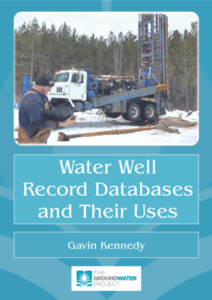
Water Well Record Databases and Their Uses
Author: Gavin Kennedy
Unlocking the Power of Data: Understanding Water Well Records
While many homeowners enjoy the independence that comes with private wells and septic systems, that independence requires responsibility. Beyond basic maintenance, leveraging data—such as local water well records—is a powerful tool for safeguarding your water supply.
In this installment of our deep dive into private water management, we explore the critical role of data collection and how researchers use it to monitor regional water health. To effectively manage a private well, you need to understand the environment around it. This book, authored by Gavin Kennedy—a research hydrogeologist with the Nova Scotia Department of Natural Resources and Renewables—takes a technical look at how well records are collected and applied.
How Data Empowers Well Owners
This resource bridges the gap between complex hydrogeological data and practical application. By utilizing regional databases, homeowners and researchers can:
· Track long-term trends: Observe shifts in regional water health over time.
· Make informed decisions: Use historical records to anticipate potential issues before they cause system failures.
· Understand groundwater dynamics: Learn from Gavin Kennedy’s expertise in groundwater temperature patterns and hydrological restoration.
Why You Need a Proactive Approach
Owning a property with a well and septic system is a commitment to environmental stewardship. Understanding the science behind these systems is the best defense against contamination and costly repairs.
Why this matters for you.
· System failures: Understanding the “why” and “where” of system failures allows you to prevent them.
· Invisible contaminants: Detecting threats early is key to maintaining a safe water supply.
· Informed decision making: Whether you are a homeowner, a real estate developer, or an environmental science student, these technical insights help you navigate the complexities of rural water infrastructure.
Empowering Your Property
This book provides the perfect introduction to the theory and applications of private water systems. By moving from a “set it and forget it” mindset to an evidence-based approach, you can ensure your home’s water infrastructure remains efficient, safe, and sustainable.
Are you interested in learning more about how to access or interpret local groundwater data in your specific region?
Why Education Matters
Whether you are a rural property owner, a student of environmental science, or a policy maker, understanding the intersection of geology and infrastructure is the first step toward sustainable water management. These books provide the technical foundation needed to ensure clean, safe water for generations to come.
Further Reading & Related Topics
If you’re interested in expanding your knowledge of home and environmental management, you might also find these topics useful.
· Sustainable landscaping: How your choice of plants and fertilizers affects local groundwater.
· Smart home integration: Using sensors to detect leaks or monitor water usage in real-time.
· Emergency preparedness: Planning for water security during power outages or natural disasters.